Green Initiatives: How E-Waste Recycling Services Are Protecting Our Planet
Electronic waste presents serious dangers to the environment, as abandoned electronic devices commonly carry harmful materials. These hazardous substances can contaminate soil and water, resulting in widespread environmental harm. Electronic waste recycling programs offer an effective remedy. They not only recover valuable resources but also mitigate pollution. Gaining insight into how these programs function and affect local communities is critical. The path to successful electronic waste management prompts vital discussions about personal accountability and communal efforts. What actions should be considered going forward?
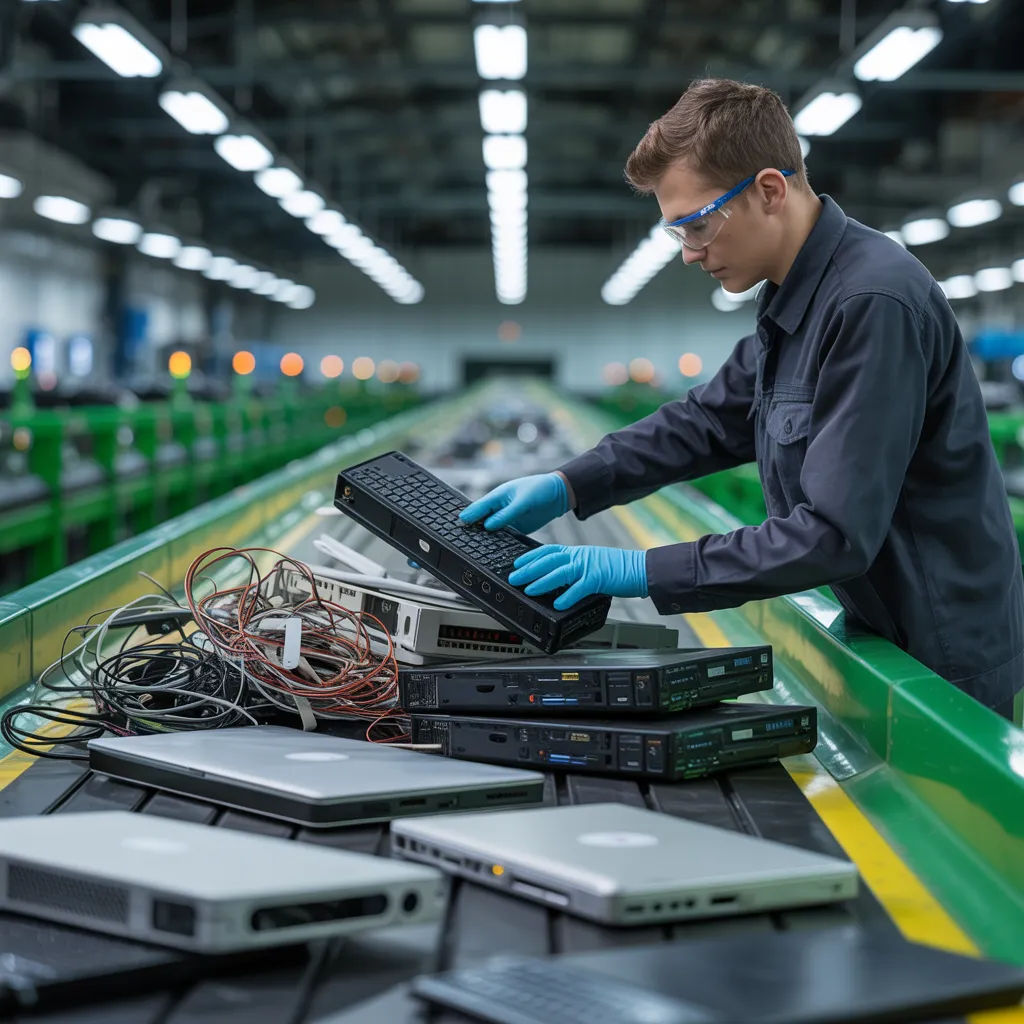
How E-Waste Is Hurting the Planet
While technology enriches contemporary living, e-waste creates significant environmental threats. Abandoned electronic gadgets, frequently composed of dangerous compounds like cadmium, lead, and mercury, may release harmful substances into soil and groundwater, creating hazards for ecosystems and human health. The accelerating rate of technological innovation results in higher rates of electronics disposal among consumers, worsening the buildup of e-waste.
Landfills, already burdened with waste, struggle to accommodate the growing volumes of discarded gadgets. Incineration, another disposal method, releases harmful pollutants into the atmosphere, contributing to air quality degradation. Furthermore, inadequate recycling methods can result in the shipment of electronic waste to underdeveloped nations, where workers may break down equipment without proper protective measures, putting themselves at risk of exposure to hazardous materials. This cycle of neglect and improper handling underscores the urgent need for sustainable recycling solutions that can mitigate the adverse effects of e-waste on the planet.
Understanding E-Waste and Its Significance
E-waste, also referred to as electronic waste, comprises discarded electronic devices such as computers, smartphones, and televisions that are no longer functional or needed. This rapidly expanding waste category is noteworthy owing to its accelerating volume, propelled by advances in technology and evolving consumer behaviors. As growing numbers of electronics become outdated, the toll on the environment grows more severe, with dangerous elements including lead, mercury, and cadmium threatening both ecosystems and public health.
The importance of addressing e-waste lies not only in mitigating these hazards but also in recognizing the valuable materials it contains. Precious metals and rare earth elements can be recovered and reused, reducing the need for mining and conserving natural resources. With a thorough understanding of e-waste and its impact, people and organizations alike can make educated decisions about disposal and recycling, helping to build a more sustainable world. Proper management of e-waste is essential for fostering a circular economy and promoting environmental stewardship.
How the E-Waste Recycling Process Works
E-waste recycling entails an organized procedure aimed at reclaiming useful resources while reducing harm to the environment. At the outset, electronic waste is gathered and delivered to specialized recycling facilities. Once there, the devices undergo thorough sorting to distinguish harmful elements from reusable resources.
Next, technicians dismantle the items, separating metals, plastics, and glass. This phase is essential, as it makes possible the extraction of precious metals like gold, silver, and copper, which may be utilized in modern electronics.
Subsequently, the sorted materials are processed through state-of-the-art techniques, such as shredding and specialized chemical treatments, to purify them for further use.
Finally, the remaining dangerous materials are managed properly, complying with environmental guidelines. This comprehensive process not only preserves valuable resources but also minimizes the hazards associated with improper e-waste disposal, View all ensuring a more sustainable future for electronic device usage.
Benefits of E-Waste Recycling for You and Your Community
Though many people are unaware, the positive effects of e-waste recycling extend beyond personal convenience to positively impact entire communities. By carefully processing electronic waste, individuals help foster a cleaner environment, minimizing harmful substances that can seep into soil and water. This responsible method helps preserve local ecosystems and promotes public health.
In addition, e-waste recycling promotes employment opportunities within local communities. Local recycling facilities often require personnel for various operations, from collection to processing, thereby providing employment opportunities for local residents. This not only strengthens the regional economy but also encourages community engagement in sustainable practices.
Additionally, awareness of e-waste recycling has the potential to generate learning opportunities, encouraging residents to embrace sustainable practices. By engaging with e-waste recycling programs, individuals foster a culture of sustainability, encouraging others to do the same. Ultimately, the collective impact of these actions can lead to a more resilient and environmentally responsible community.
A Guide to Selecting an E-Waste Recycling Service
Choosing the most suitable electronic waste recycling provider is essential for making sure that electronic waste is managed in a responsible and sustainable manner. Initially, people should verify the provider's credentials, such as R2 and e-Stewards certifications, which signify compliance with established benchmarks for responsible recycling methods. Additionally, it is advisable to evaluate the organization's standing by checking reviews and seeking recommendations from trusted sources.
Next, clarity in the recycling process is essential. A dependable provider should supply straightforward details about the manner in which e-waste is managed and how the materials are utilized. Furthermore, assessing the variety of services available can be advantageous; some companies may provide pickup services or offer incentives for recycling.
In addition, being aware of area-specific requirements for e-waste disposal may further shape the decision-making process. By prioritizing these factors, individuals can contribute to responsible e-waste disposal alongside encouraging green and responsible behaviors.
How You Can Take Part in E-Waste Recycling?
Engaging in e-waste recycling may begin at the local level, where recycling centers frequently offer essential services for proper disposal. Moreover, participating in community awareness campaigns can enhance efforts to educate others about the importance of proper e-waste handling. These actions not only encourage sustainable practices but also foster a collective sense of stewardship of the environment.
Local Recycling Centers
Numerous regional recycling hubs fulfill a critical purpose in recycling electronic waste, offering communities convenient opportunities to dispose of electronic waste responsibly. These stations receive a range of electronic devices, including aging computers, cell phones, and television sets, ensuring that harmful materials are handled safely. The majority of facilities employ trained staff who can guide individuals on proper disposal methods, stressing the significance of recycling instead of landfilling. In addition, many centers offer scheduled drop-off occasions or specific collection dates, making it easy for residents to participate. By utilizing these local services, community members advance a circular economy, decreasing environmental damage and advancing sustainable approaches. Engaging with these centers allows communities to address e-waste pollution proactively.
Community Outreach Campaigns
Nearby organizations, schools, and enterprises can collaborate to host events that promote e-waste collection drives. Volunteers can play a pivotal role in promoting knowledge, handing out educational content, and interacting with the surrounding community. As a result of these combined actions, residents become more informed and motivated to recycle their electronic waste, thereby helping to build a greener and more sustainable tomorrow.
Frequently Asked Questions
What Kinds of Electronics Can Be Recycled?
Many different electronics can be recycled, including laptops, televisions, smartphones, printers, computers, and gaming consoles. In addition, peripherals such as mice, keyboards, and batteries are equally appropriate for recycling, promoting sustainable environmental practices.
Is There a Cost Associated With E-Waste Recycling?
Yes, electronic waste recycling may involve charges, subject to the provider. Some facilities apply costs for pickup or handling, while others provide no-cost solutions, frequently supported by the proceeds from salvaged materials.
How Can Businesses Benefit From E-Waste Recycling?
Companies can take advantage of e-waste recycling by lowering disposal expenses, enhancing their environmental image, adhering to regulatory requirements, recovering valuable materials, and creating potential earnings via resale, ultimately contributing to a more sustainable operational strategy.
What Happens to Data on Recycled Devices?
Details regarding refurbished devices is frequently completely removed or eliminated during the refurbishment process. This guarantees sensitive information is kept safe, blocking unwanted intrusion while allowing resources to be reused safely and responsibly within new applications.
Is It Possible to Recycle Damaged Electronics?
Absolutely, non-functioning electronics are able to be recycled. Several recycling centers process non-functioning devices, guaranteeing proper disposal and extraction of useful materials. This effort helps minimize the environmental footprint while supporting eco-friendly recycling methods to control electrical waste properly.